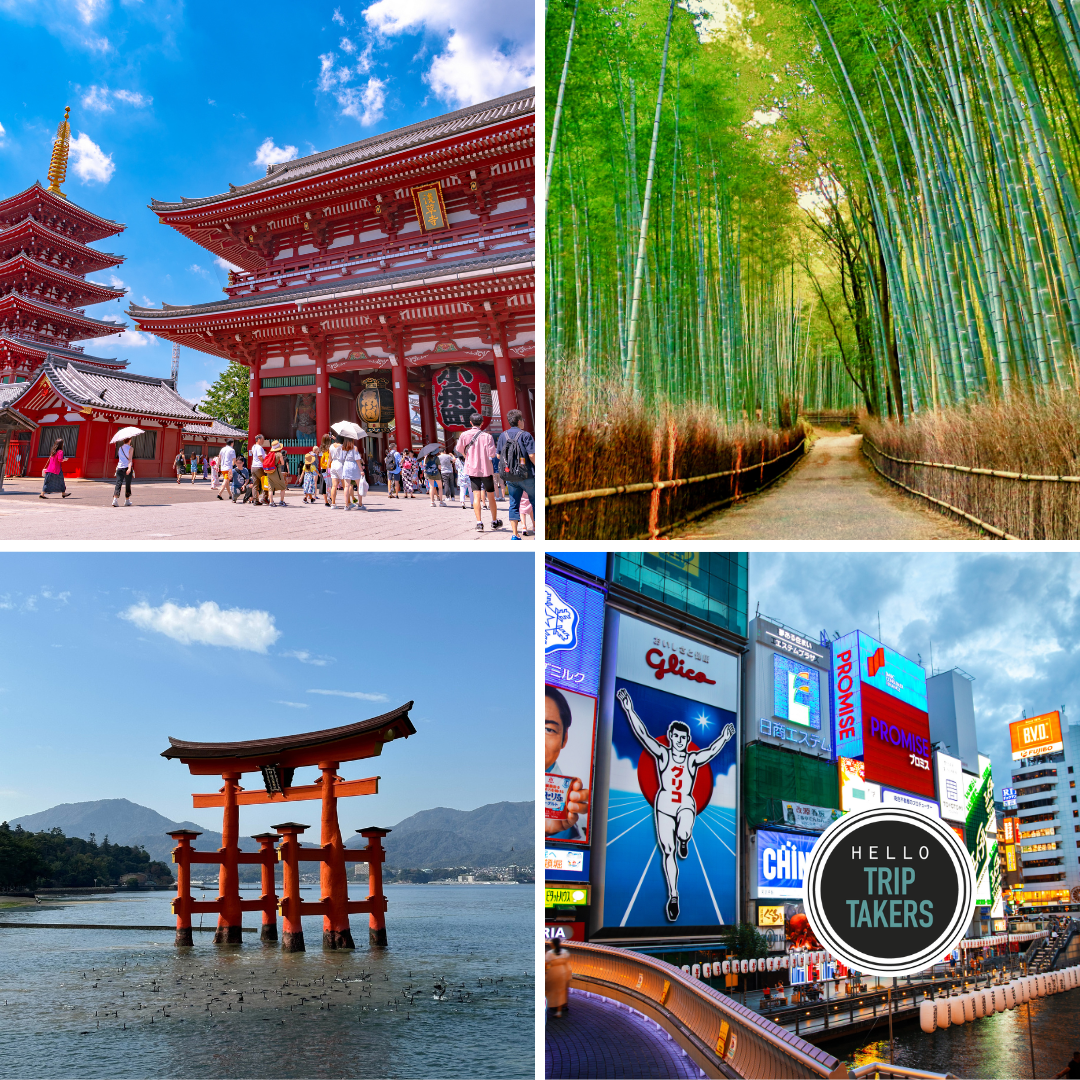
Japan 2 Week Vacation Itinerary: Tokyo, Kyoto, Hiroshima, Miyajima & Osaka
A first-timer’s guide to Japan’s highlights — temples, trains, and takoyaki!
Japan is a country that captures every sense — a blend of ancient traditions, ultra-modern cities, incredible food, and quiet moments of beauty in between. This two-week itinerary covers some of Japan’s most unforgettable destinations: Tokyo, Kyoto, Hiroshima, Miyajima, and Osaka.
Whether you’re planning your first trip to Japan or looking to refine your return adventure, this day-by-day outline offers a realistic view of what to see, how much you can do in two weeks, and a few honest tips from real travelers (that’s us).
That said, this is our trip — and it’s important to make yours your own. Everyone travels differently, and what excites one person may not interest another. We love art museums, local food stalls, and exploring neighborhoods on foot. But if that’s not your thing, Japan offers endless options: you could take a samurai sword lesson, relax in an onsen resort, or dive deep into shopping and street fashion. The key is to plan around what you enjoy most and build an itinerary that matches your travel style — whether that means packed days of sightseeing or slow mornings with coffee and people-watching.
Japan Trip Sample Itinerary – 2 Weeks – 6 Cities
Tokyo, Kyoto, Hiroshima, Miyajima, Osaka, Nara
If you’re planning a trip to Japan, I hope this itinerary helps you make the most of your time and inspires you to create your own unforgettable adventure.
Where to Start Your Japan Vacation
If it’s your first time in Japan, start in Tokyo. It’s the best entry point for international flights and a great place to adjust to the time difference. From there, use the Shinkansen bullet train to travel to Kyoto, Hiroshima, and Osaka. Trains are clean, efficient, and incredibly easy to navigate — you’ll be spoiled for life. We didn’t buy round trip tickets and purchased airline ticket with different arrival/departure cities.
The Best Time of Year to Visit Japan
Spring (March–May) and fall (October–November) are ideal for mild weather and beautiful scenery. Spring brings cherry blossoms, while fall offers cooler temperatures and fiery foliage. Summer can be hot and humid, and winter can be chilly, but both have fewer crowds and lower prices. That being said, we went in the end of September. Yes, it was hot and humid but didn’t diminish our trip any.
The Best Way to Get Around Japan
No need to rent a car for this trip. Trains make it easy to get around this country. train tickets can be bought at the station before you board.
For local travel, the Suica card can be loaded to you Apple Walent and loaded before you arrive and added to as needed. It works for metros, buses, and even vending machines. Don’t hesitate to grab a taxi once in a while — especially with apps like Go/Taxi that let you compare prices and pay directly from your phone.
Japan 2 Week Vacation Itinerary: Tokyo, Kyoto, Hiroshima, Miyajima & Osaka

10 Day Southwest Road Trip Vacation Itinerary

My Honest Hotel Reviews (Tokyo, Kyoto, Miyajima & Osaka) – 14 Days in Japan
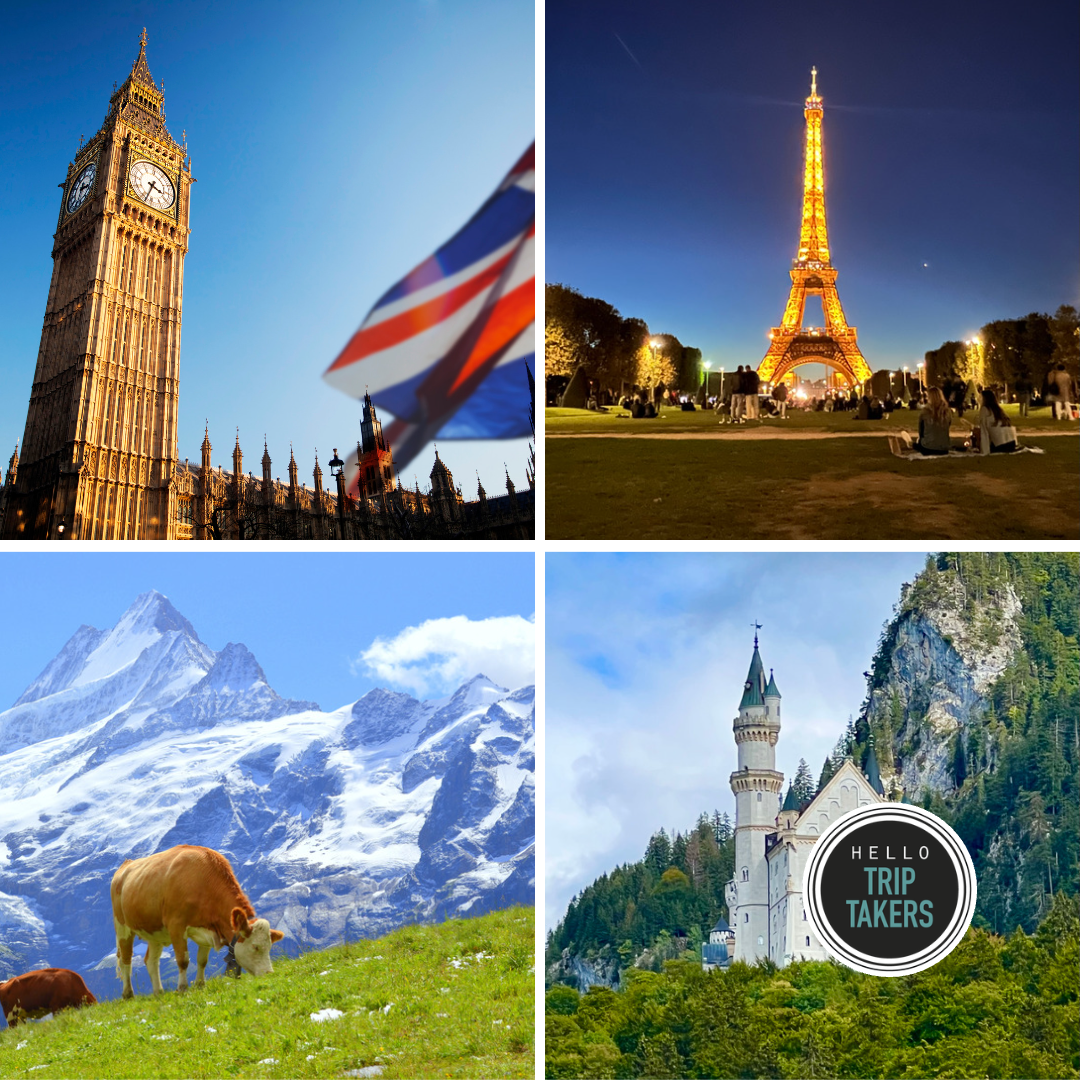
European Vacation Itinerary: 2 Weeks 6 Countries
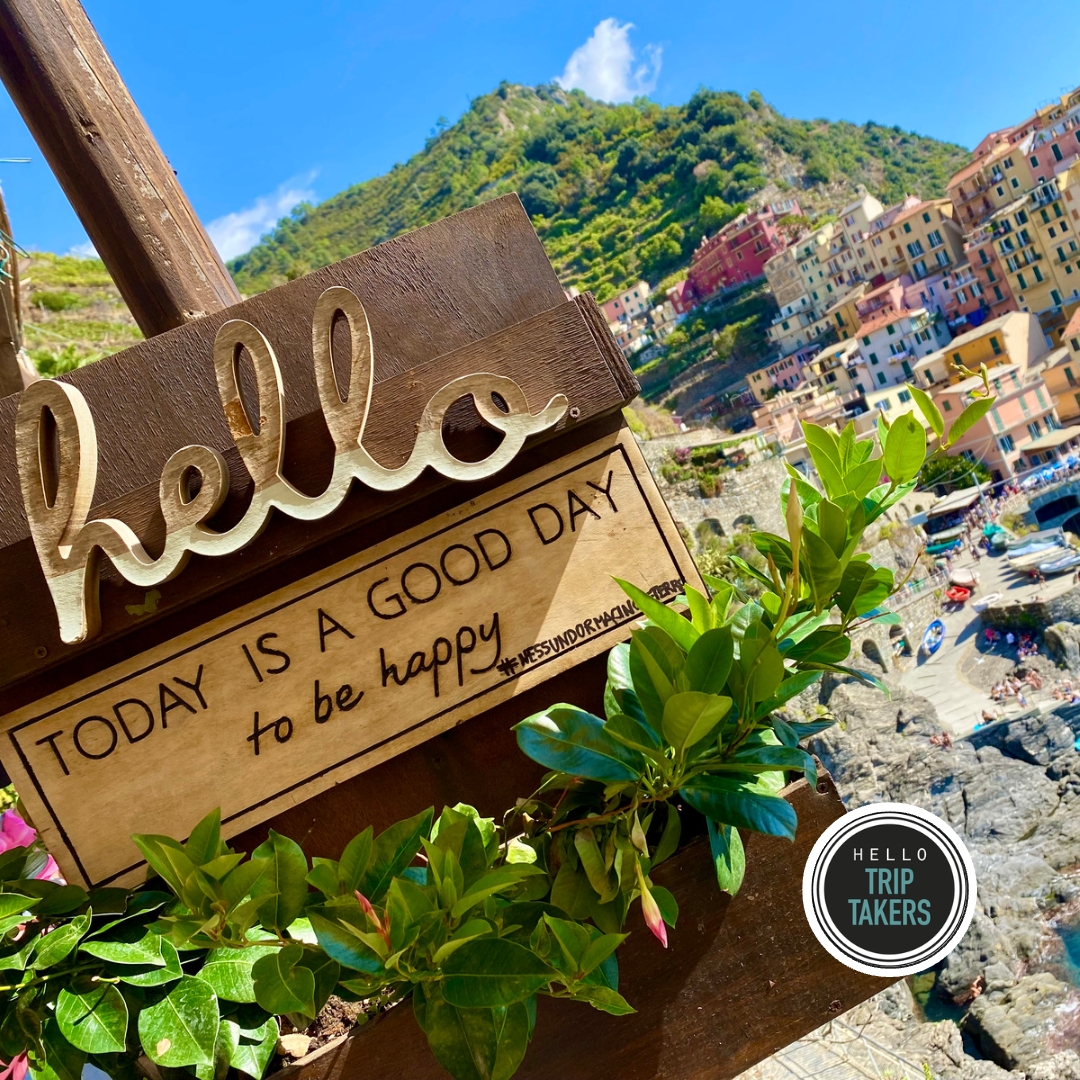
Travel Bucket List
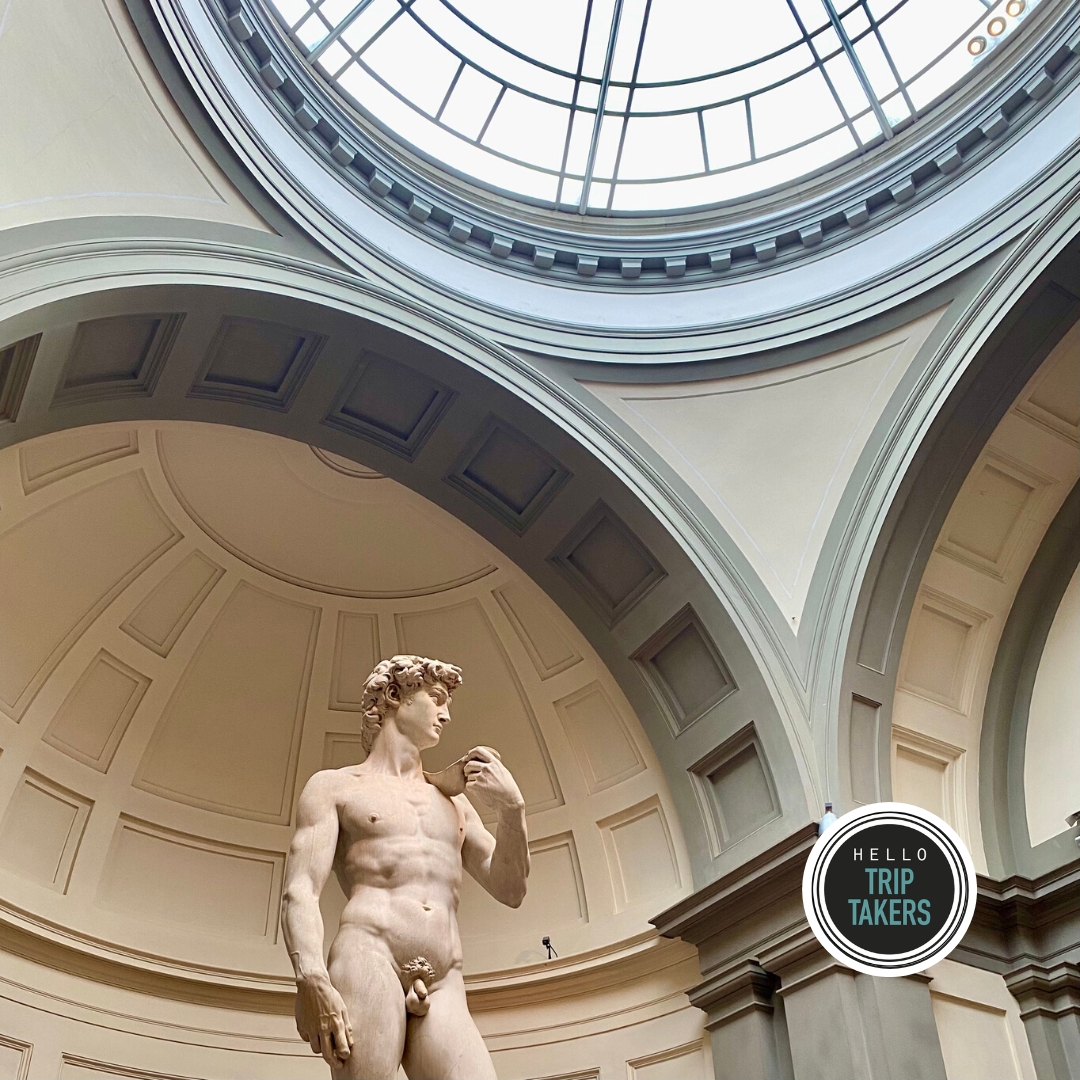
Plan your trip to Florence
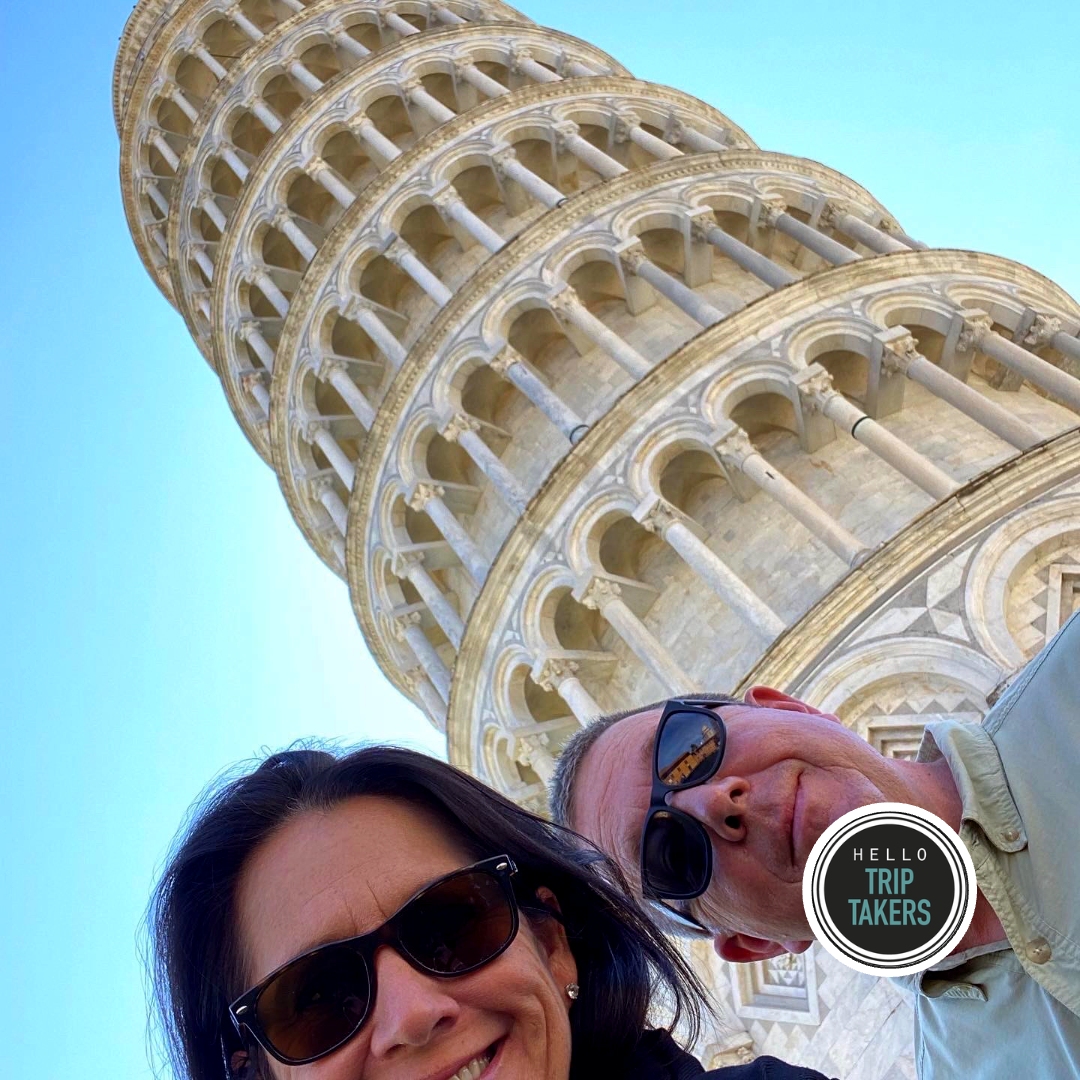
Italy Day Trip from Florence: Leaning Tower of Pisa
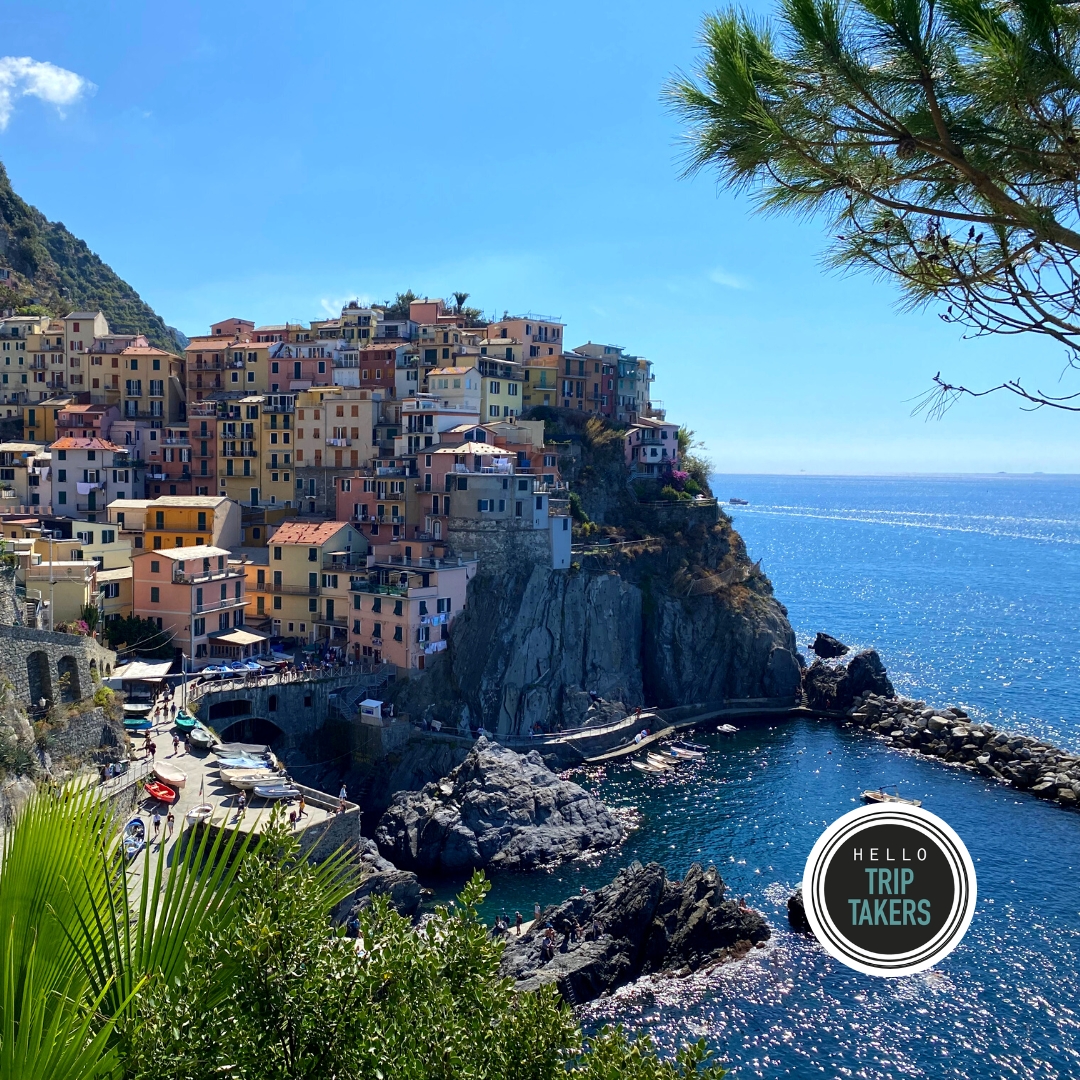
Plan your Trip to Cinque Terre

Climb to the top of St Peter’s Dome
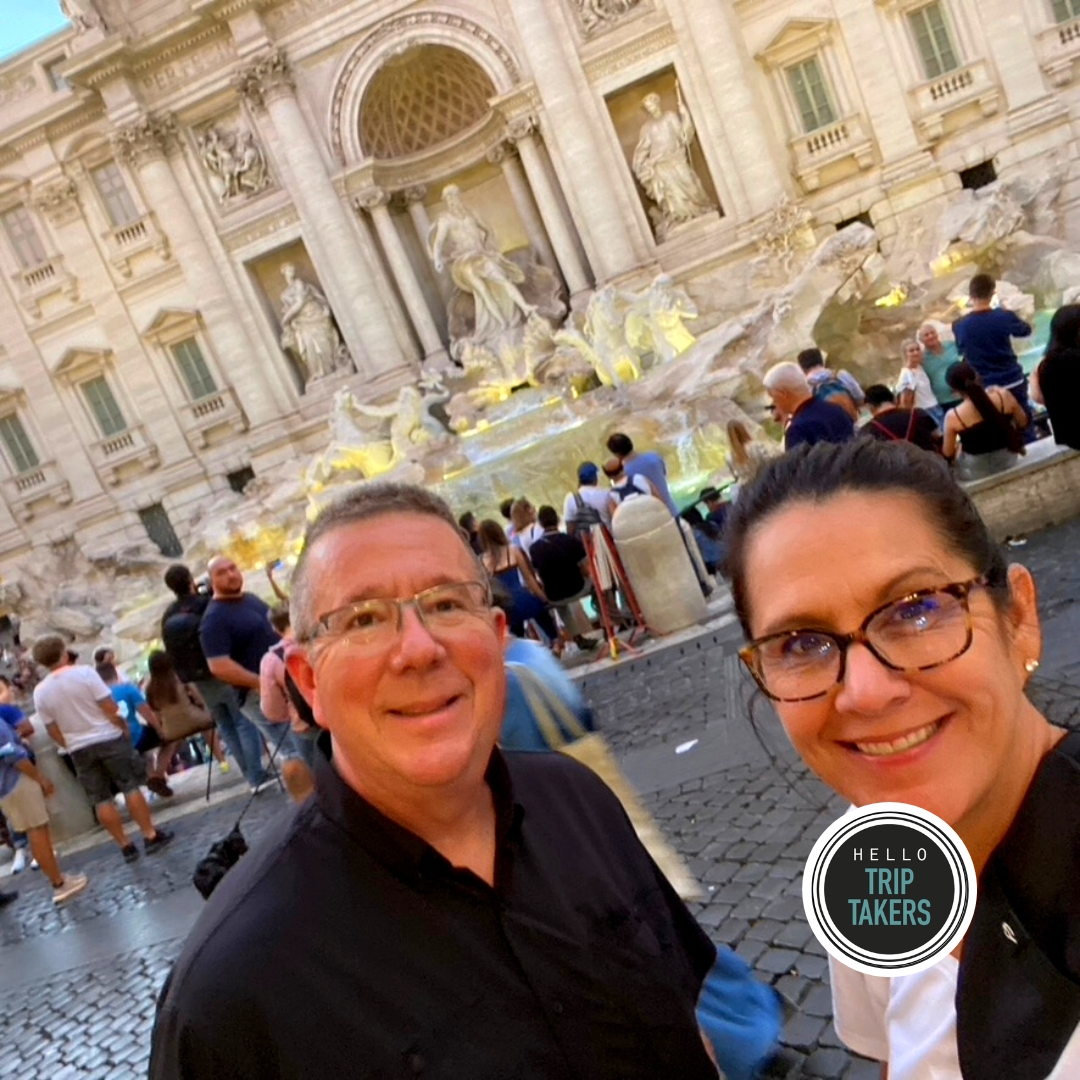
Plan your Trip to Rome, Italy
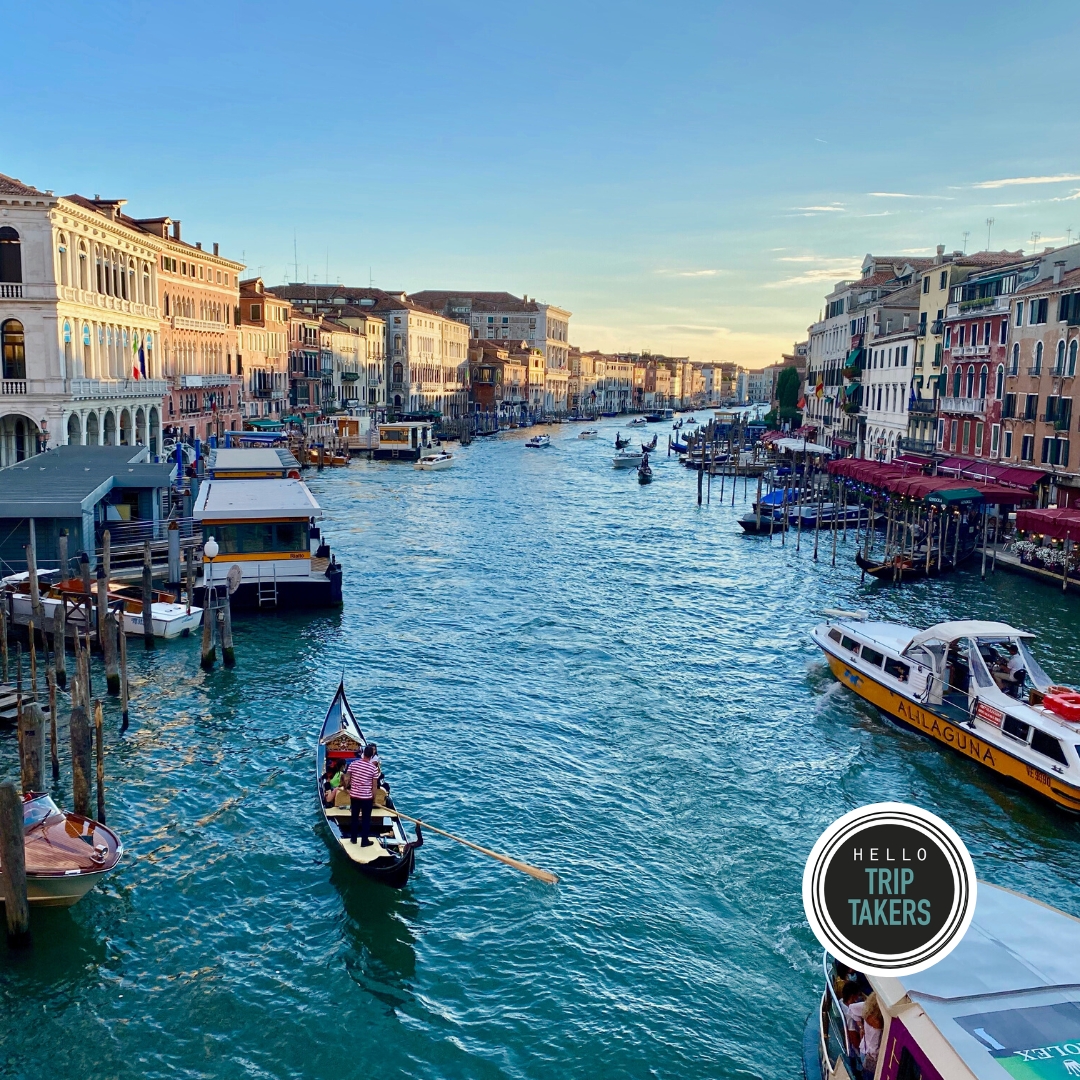
Plan your trip to Venice Italy
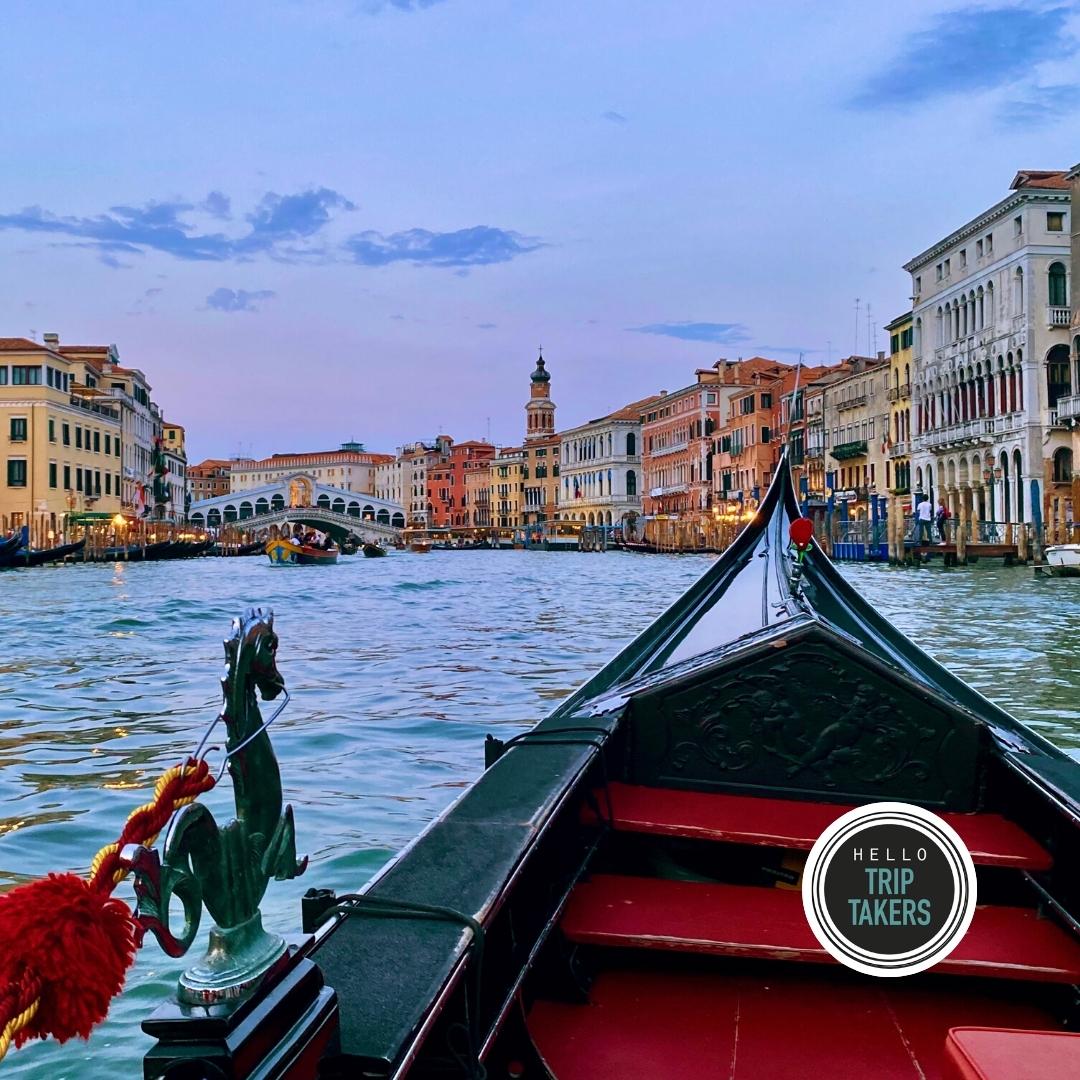
Is a Gondola Ride in Venice worth the cost?
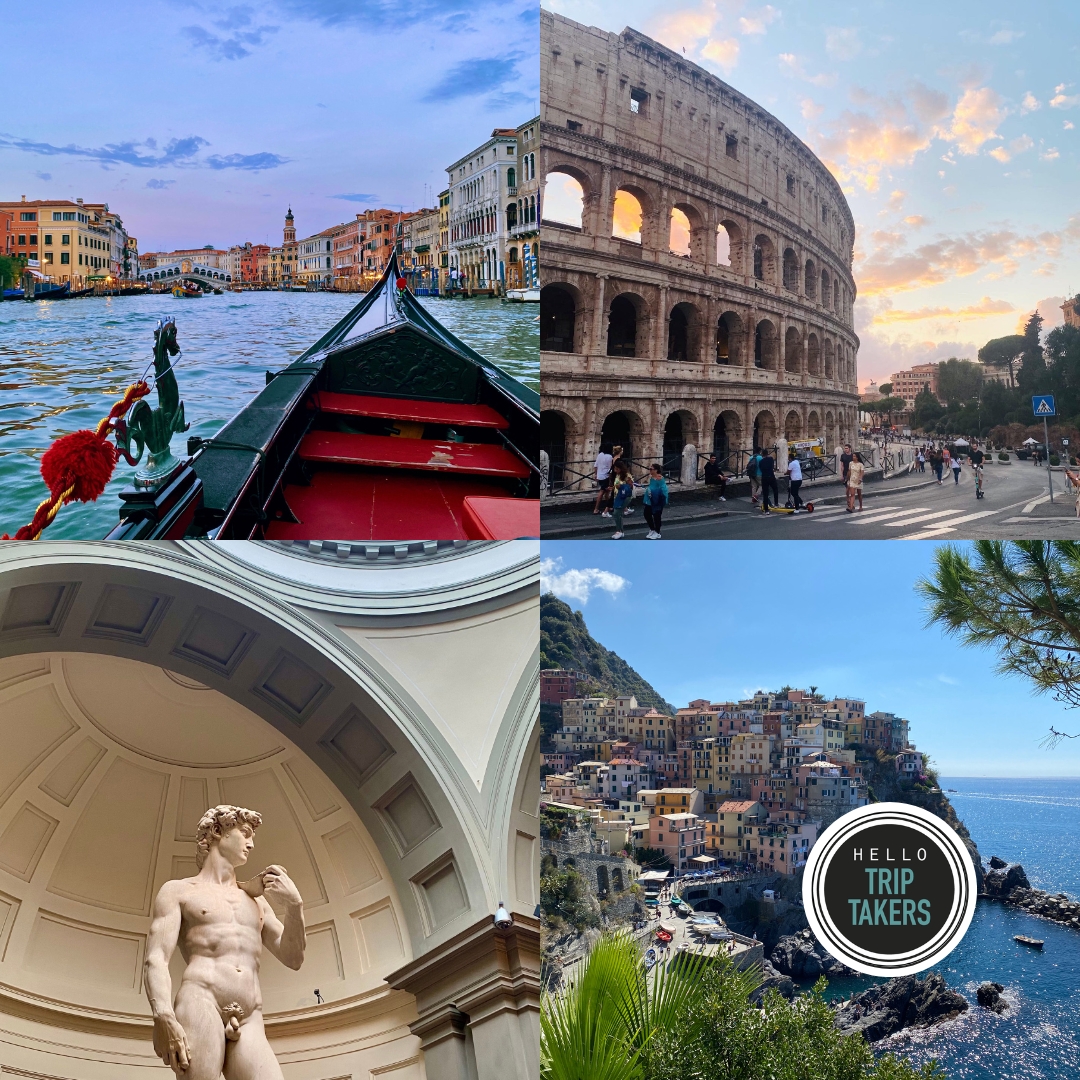
10 Day Italy Vacation Itinerary

How to plan a trip to Italy
Italy Trip Cost
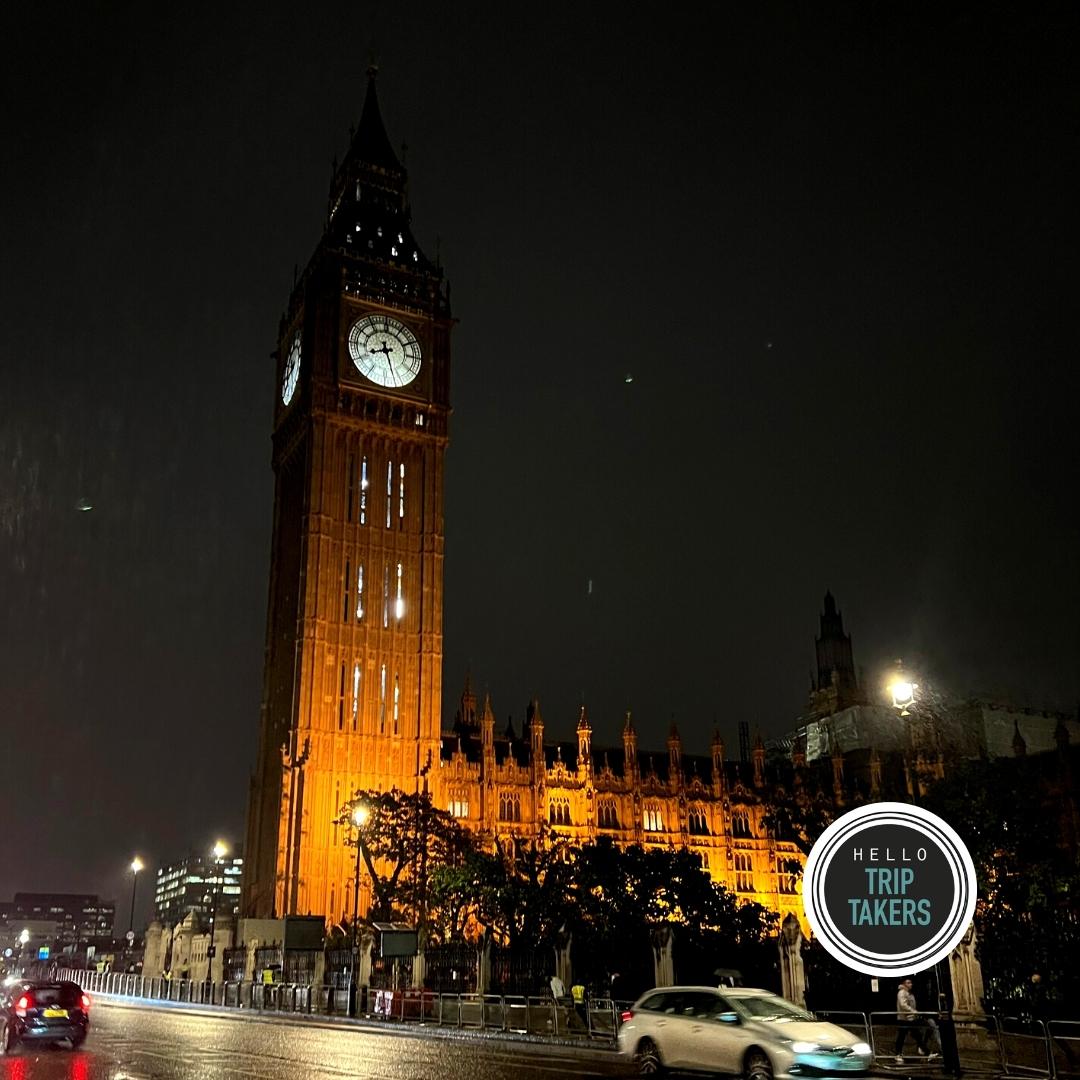
One day in London Travel Tips

Couples Swept Away Negril Jamaica: Trip Log

Best Amazon Travel Gear